What's the difference between an intervention agent and a security guard?
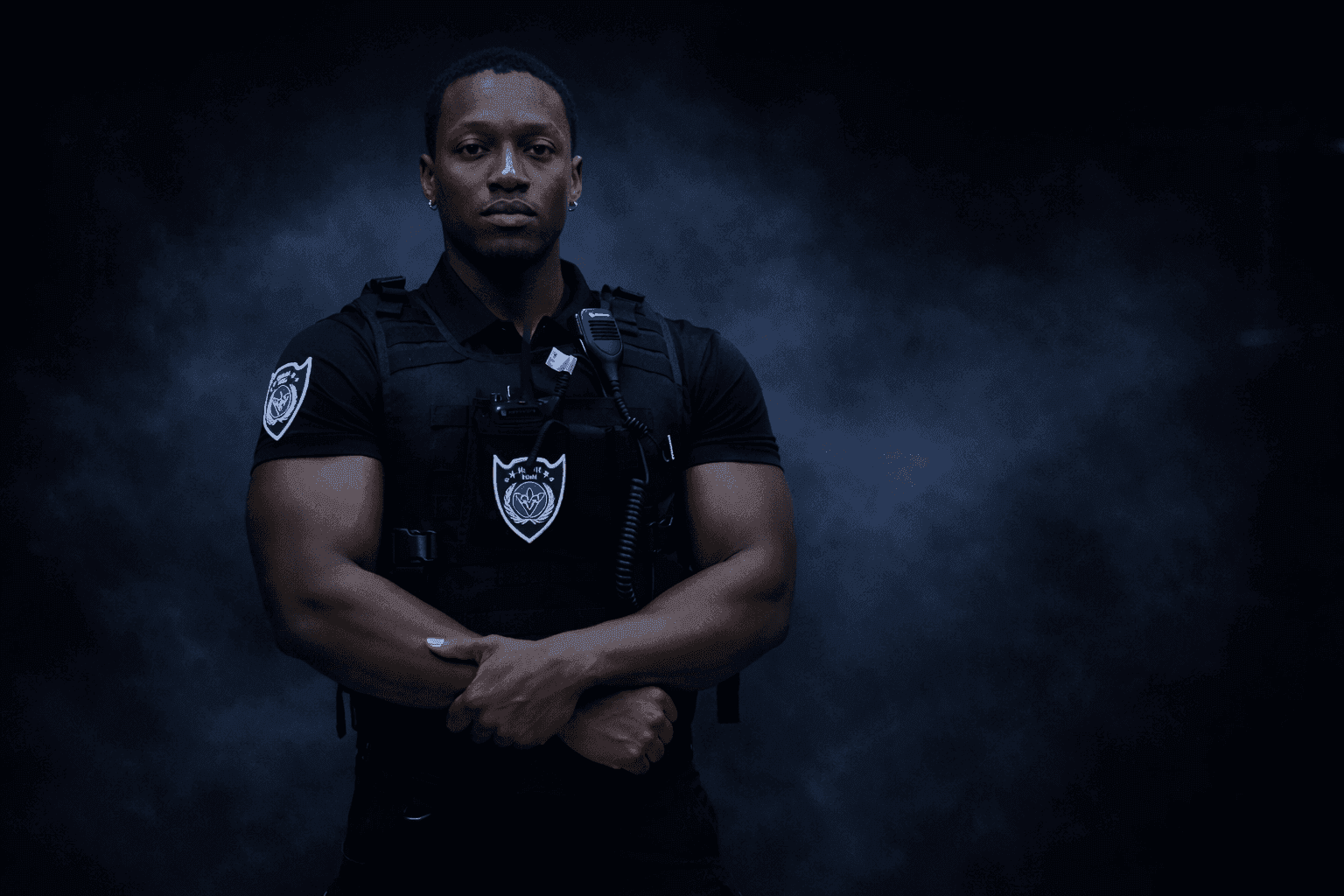
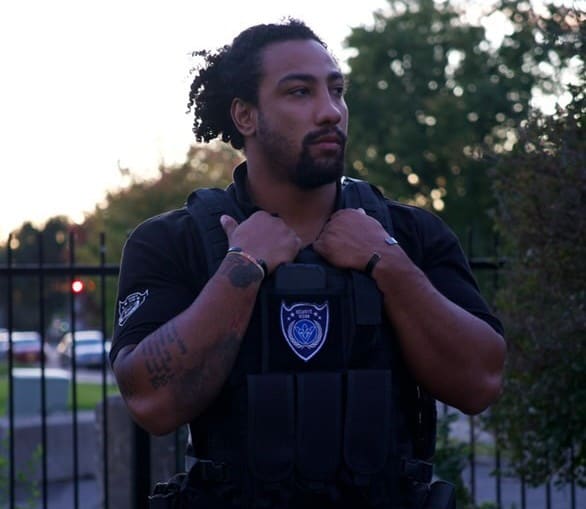
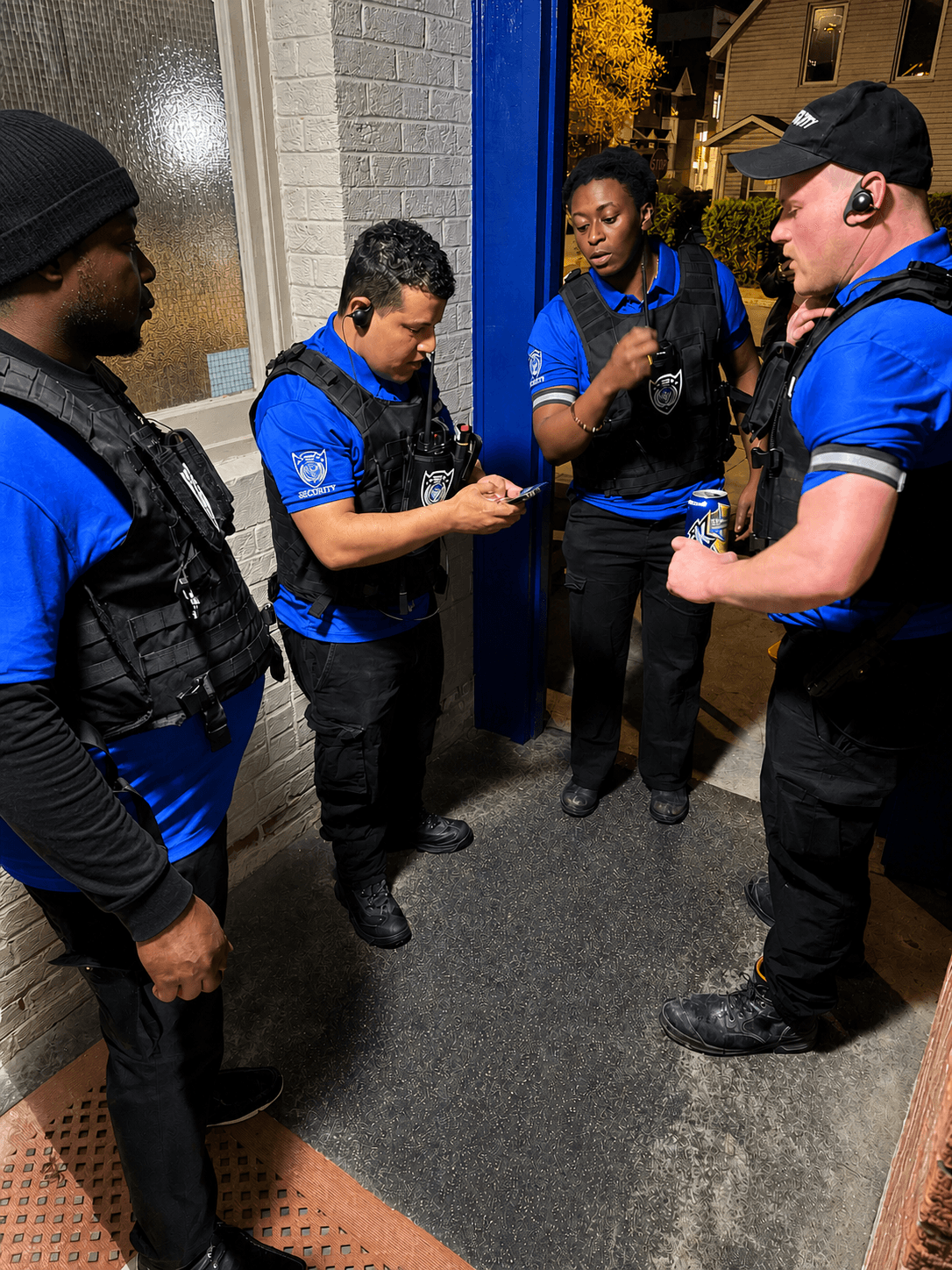
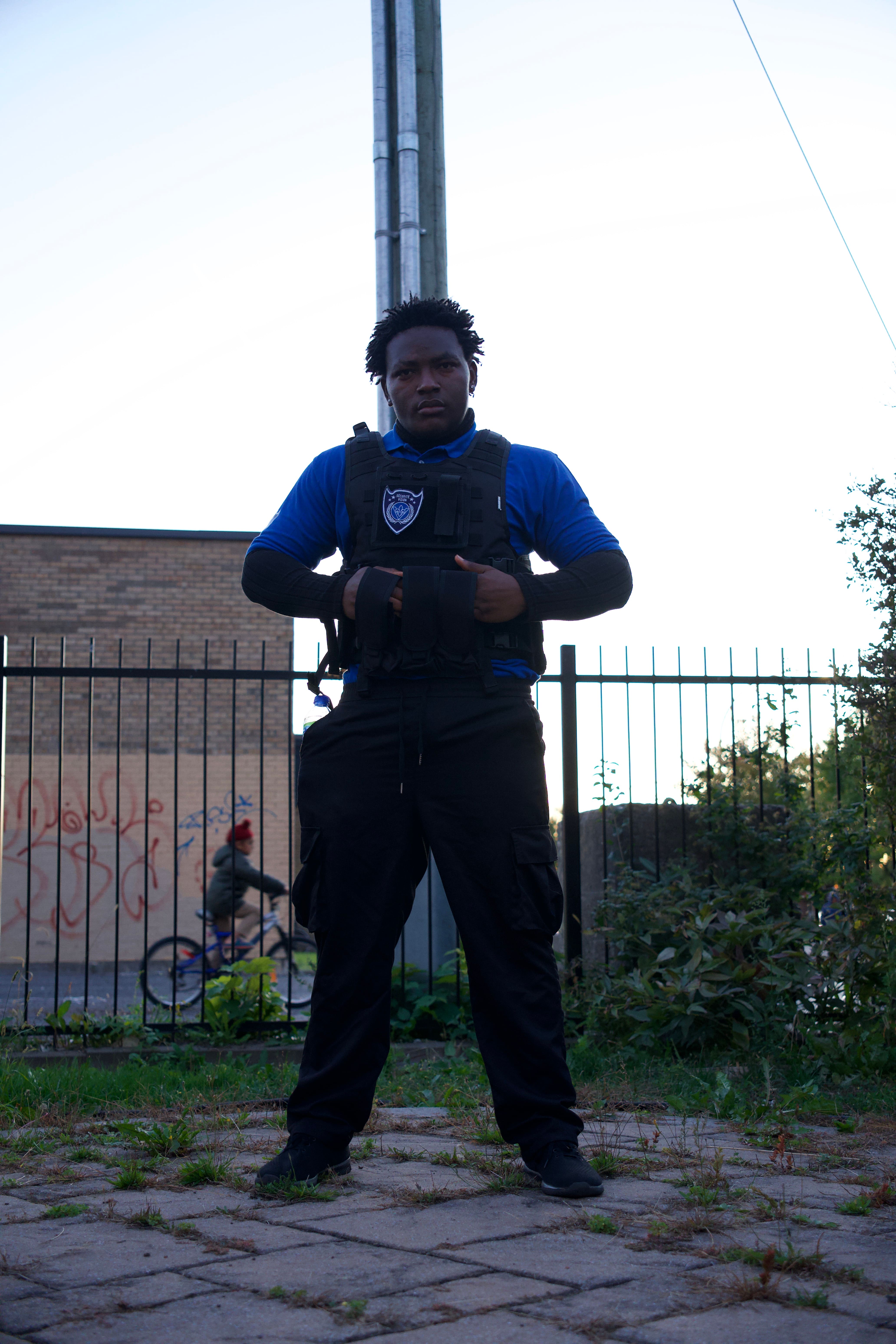
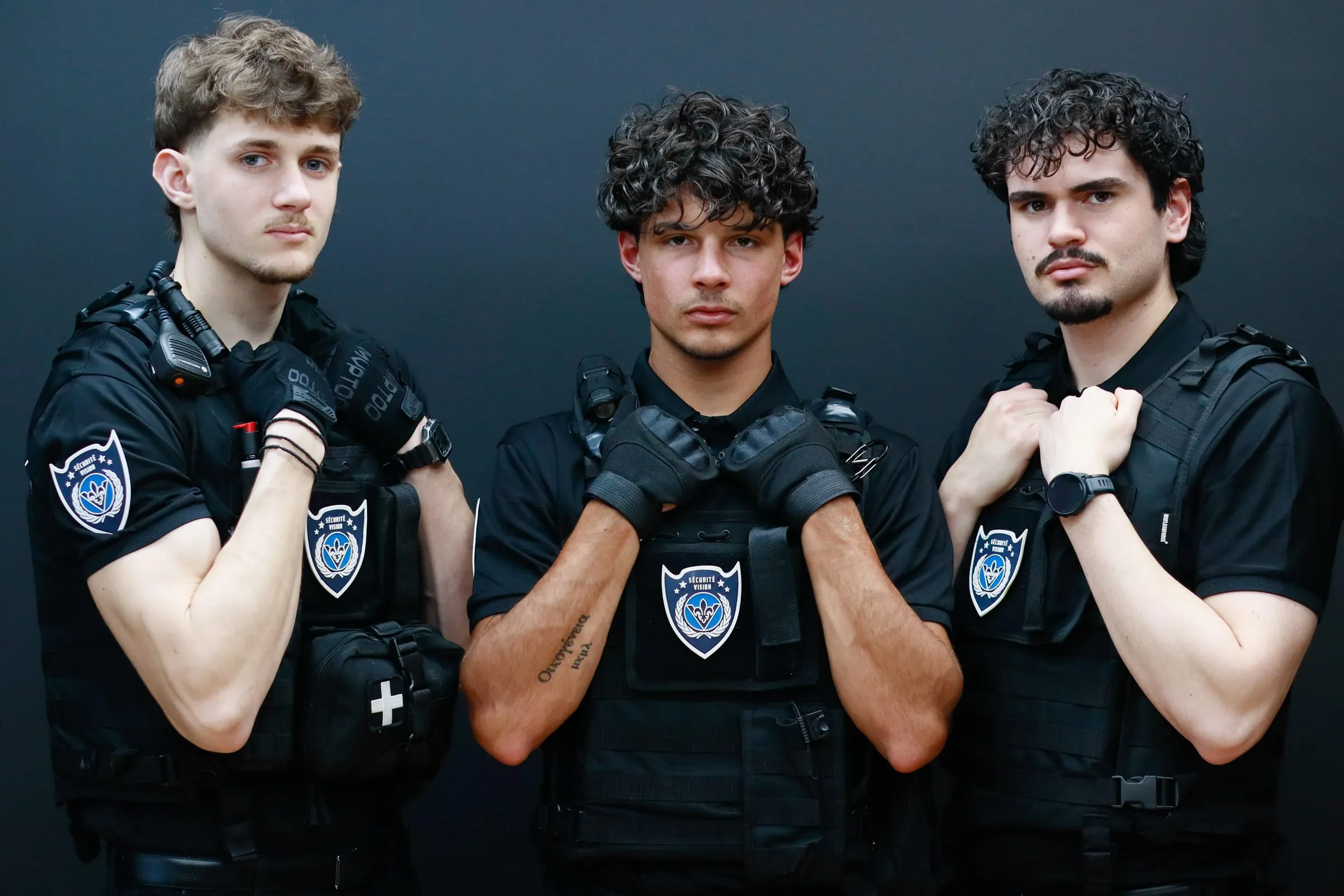
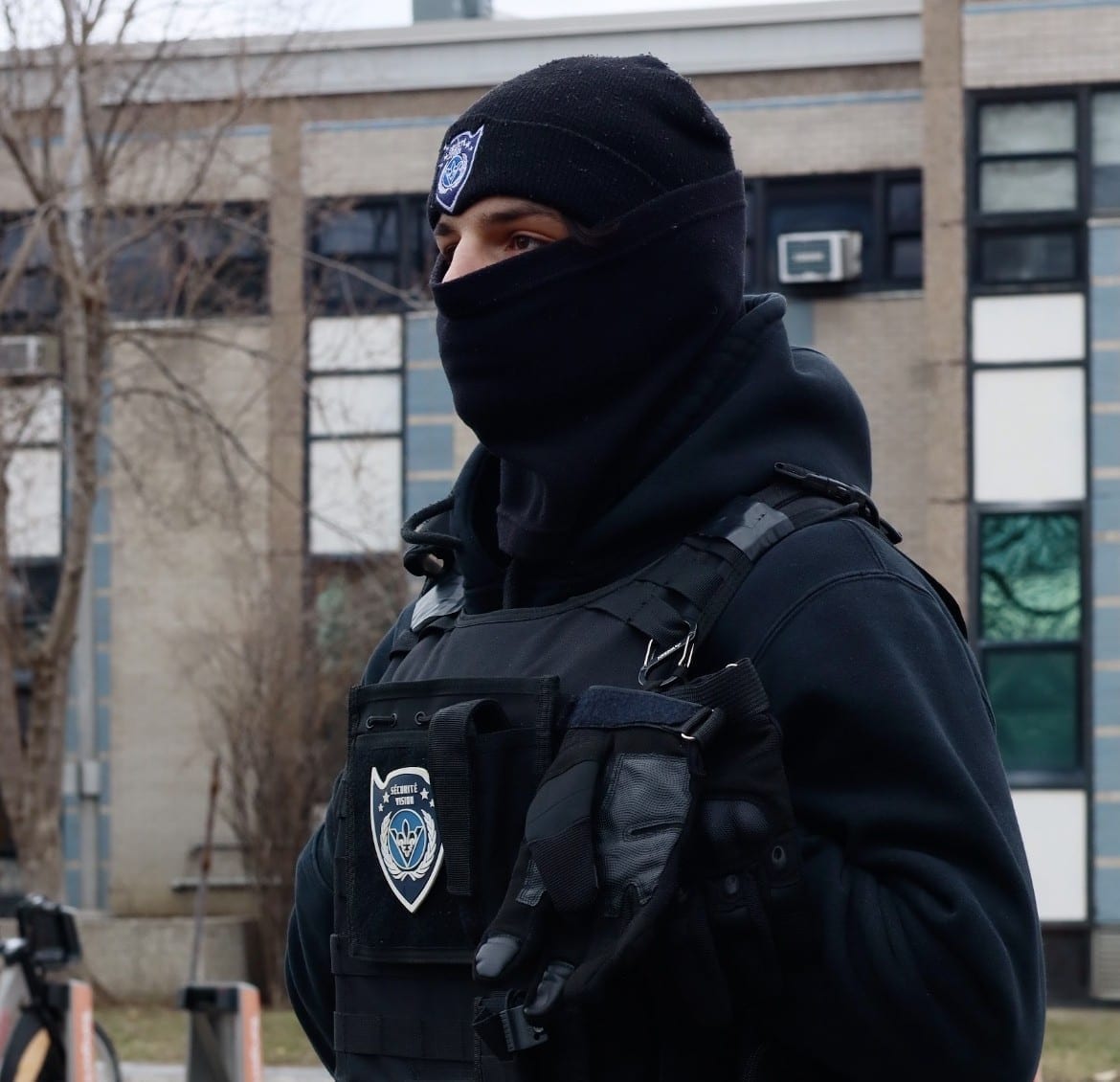
A security guard is trained to observe, deter and report. An intervention agent is trained and authorized to act — to physically intervene, remove trespassers, de-escalate confrontations and manage active crises. Intervention officers carry additional certifications (use-of-force, handcuffing, CPI de-escalation, advanced first-aid) and operate under stricter legal protocols. They're the team you call when a visible uniform alone isn't going to fix the problem.
What de-escalation techniques do your officers use?
We use a five-rung de-escalation ladder built from Crisis Prevention Institute (CPI) methodology, verbal-judo principles, and Canadian Armed Forces negotiation training. Officers are required to start at the lowest rung — calm presence and respectful verbal engagement — and only step up if the subject fails to respond. In roughly 85% of our intervention calls the situation is resolved at rungs 1–3, without any physical contact whatsoever.
Can your officers physically remove someone from my property?
Yes, within the limits of Canadian law. Sections 25, 27, 34 and 494 of the Criminal Code (plus Quebec's civil code) authorize a private-property owner or their agent to use reasonable force to remove trespassers, prevent property damage, or effect a citizen's arrest. Our officers are trained specifically on these boundaries and will only use the minimum force necessary — everything is documented, witnessed when possible, and articulated on the incident report against the exact legal authority relied upon.
How fast can you deploy an intervention team?
For pre-scheduled interventions (planned evictions, construction disputes, high-risk events) we brief and deploy with 24–72 hours' notice. For emergency calls in Montreal, Laval and the South Shore our average on-site time is under one hour; across greater Quebec under 90 minutes. A dedicated dispatcher stays on the line with you until the team is on-site.
Are your intervention officers licensed?
Yes. Every officer carries a valid Bureau de la sécurité privée (BSP) licence in Quebec or Ontario Security Guard Licence from the Ministry of the Solicitor General in Ontario, plus current CPR/AED and First Aid. Lead officers additionally hold Use-of-Force, Handcuffing and CPI de-escalation certifications. No subcontracting — every deployed officer is a direct Vision Security employee.
Will the evidence you collect stand up in court?
Yes — we document every intervention specifically for legal admissibility. This includes timestamped high-resolution photos, annotated site plans, body-cam or hand-held video where authorized, a narrative report written in the first person by each responding officer, and witness contact information. Documentation is delivered within 24 hours and formatted to meet both insurance-claim and court evidentiary standards. Our supervisors will liaise directly with your legal counsel.
Do you handle evictions and labour disputes?
We provide on-site security support for both — but with clear legal limits. For formal evictions we coordinate with your bailiff (huissier) and never act outside the writ. For labour disputes we maintain a neutral, non-confrontational posture, document activity, and protect access/egress without interfering with lawful picketing. Our role is to keep the scene safe and legally clean, not to take sides.
What if the intervention turns violent?
Our protocol is explicit: if a subject escalates to weapons, credible bodily harm, or coordinated group violence, officers disengage to a safe perimeter, secure witnesses and clients, call 911, and preserve the scene for police. Our officers are trained to recognize the threshold where a private-security response is no longer appropriate — and handing off to police is a documented, practised step in our protocol, not a failure.
How much does an intervention cost?
Emergency deployments are priced per-officer per-hour with a 4-hour minimum and a mobilization fee that covers dispatch, advance recon and equipment. Rates scale with threat level (standard / elevated / high-risk) and team composition. For recurring or preventive coverage (construction-site flare-ups, ongoing labour disputes, repeat-occupied properties) we offer retainer pricing that materially reduces per-call cost. Every engagement starts with a free, confidential consultation.
What kinds of crises does your intervention team handle?
Our crisis-intervention team handles workplace-violence incidents, active-threat standoffs, high-risk employee terminations, domestic-violence spillover into workplaces, mental-health crises on commercial property, protests that have crossed into trespass or obstruction, and post-incident recovery. Every deployment is scoped against Ontario's Bill 168 and Quebec's CNESST workplace-violence framework.
Are your crisis officers trained beyond the provincial licence minimum?
Yes. Every officer on the crisis team completes Non-Violent Crisis Intervention (NVCI) certification, Mental Health First Aid, verbal de-escalation, safe-physical-escort training, and a written scenario workbook reviewed annually by a supervisor. Senior team members also carry WPV (workplace violence) risk-assessment certifications.
How fast can you deploy a crisis team?
For standing crisis-retainer clients in Toronto, Montreal and Ottawa, a lead officer can be on site in under 90 minutes with a support pair in under three hours. For non-retainer emergency calls, we can typically mobilize inside three to six hours depending on city and time of day, and can stage a remote planning call within the first 30 minutes while officers are moving.
Do you carry liability insurance appropriate to a crisis engagement?
Yes. Our standard $5M commercial general liability and active Errors & Omissions policy both extend to crisis engagements. For especially high-risk scopes (named-individual threat posture, high-profile public events), we can bind additional-named-insured language on request.
Will you coordinate with police, EMS and HR?
Yes. Our crisis playbooks explicitly name the liaison contacts and communication channels expected on every deployment: local police (non-emergency or tactical as appropriate), EMS, your HR and legal leads, your EAP provider, and building management. We write a combined incident report at deployment close that is admissible in a subsequent employment or civil proceeding.