How to Choose a Security Company in Ontario or Quebec (2026 Buyer's Guide)
Licensing, insurance, SLAs, bilingual supervision — the eight criteria that separate a real security operator from a staffing broker.


If you are hiring a security company in Ontario or Quebec in 2026, the market looks crowded — but the real field is small. Most vendors are staffing brokers with a phone number. Here is the short list of what to verify before you sign, with the exact registry numbers and insurance thresholds that separate a real operator from a reseller.
1. Verify the agency licence — not just the guards
In Ontario, every security *agency* must hold a separate licence under the Private Security and Investigative Services Act (PSISA), issued by the Ministry of the Solicitor General. In Quebec, the equivalent is a BSP agency licence from the Bureau de la sécurité privée. Ask for the agency number in writing. Vision Security operates under PSISA #30000230 (Ontario) and BSP GAR 20062877 (Quebec) — both publicly verifiable.
A vendor that can only show you individual guard licences is subcontracting. Full stop.
2. Ask for the Certificate of Insurance (COI)
Minimum commercial general liability for a credible security operator in 2026 is $5M CAD, plus Errors & Omissions cover. Anything lower and your risk exposure on a single serious incident exceeds the policy.
- General liability: $5M minimum, $10M preferred for high-risk venues
- Errors & Omissions: in-force, named on the COI
- WSIB (Ontario) / CNESST (Quebec) coverage end-to-end
- Ability to add your company as Additional Insured on 48-hour notice
3. Pin down the response SLA in writing
'24/7 coverage' is marketing. Ask for the actual alarm-response and dispatch-replacement SLA measured in minutes, and whether it is guaranteed urban and regional. Vision Security commits to 15 minutes urban, 30 minutes regional for alarm and coverage calls, with GPS-logged arrival timestamps pulled from our dispatch platform on demand.
4. Check for bilingual supervision capacity
If your site operates in Quebec or has federal tenants, bilingual supervision is a legal and operational requirement. Ask how many bilingual supervisors the vendor employs directly (not subcontracts) and whether French-language incident reports can be delivered within 24 hours.
5. Review their industry specialization
A guard company that says it does 'everything' usually does nothing well. Ask for references in your specific vertical — healthcare, warehouse and logistics, retail loss-prevention, cannabis, film production, corporate HQ, manufacturing, banking, or energy/utilities. Each has its own compliance regime, incident patterns and supervisor competencies.
- Healthcare: Code White, mental-health act interface, NICU / ED training
- Warehouse & logistics: seal management, trailer yard control, CTPAT awareness
- Cannabis: Health Canada security clearances, AGCO / SQDC protocols
- Film production: IATSE crew interface, crowd control for location shoots
- Retail: ORC response, organized-crime team reporting, CPTED walk-throughs
6. Ask to see a redacted incident report
A real operator writes reports that hold up in court. A staffing broker writes 'all quiet — no issues.' Ask for two anonymized real incident reports from the vendor's last 90 days. Check for: timestamped narrative, named parties, actions taken, escalations, and signed supervisor review.
7. Measure training depth, not just hours
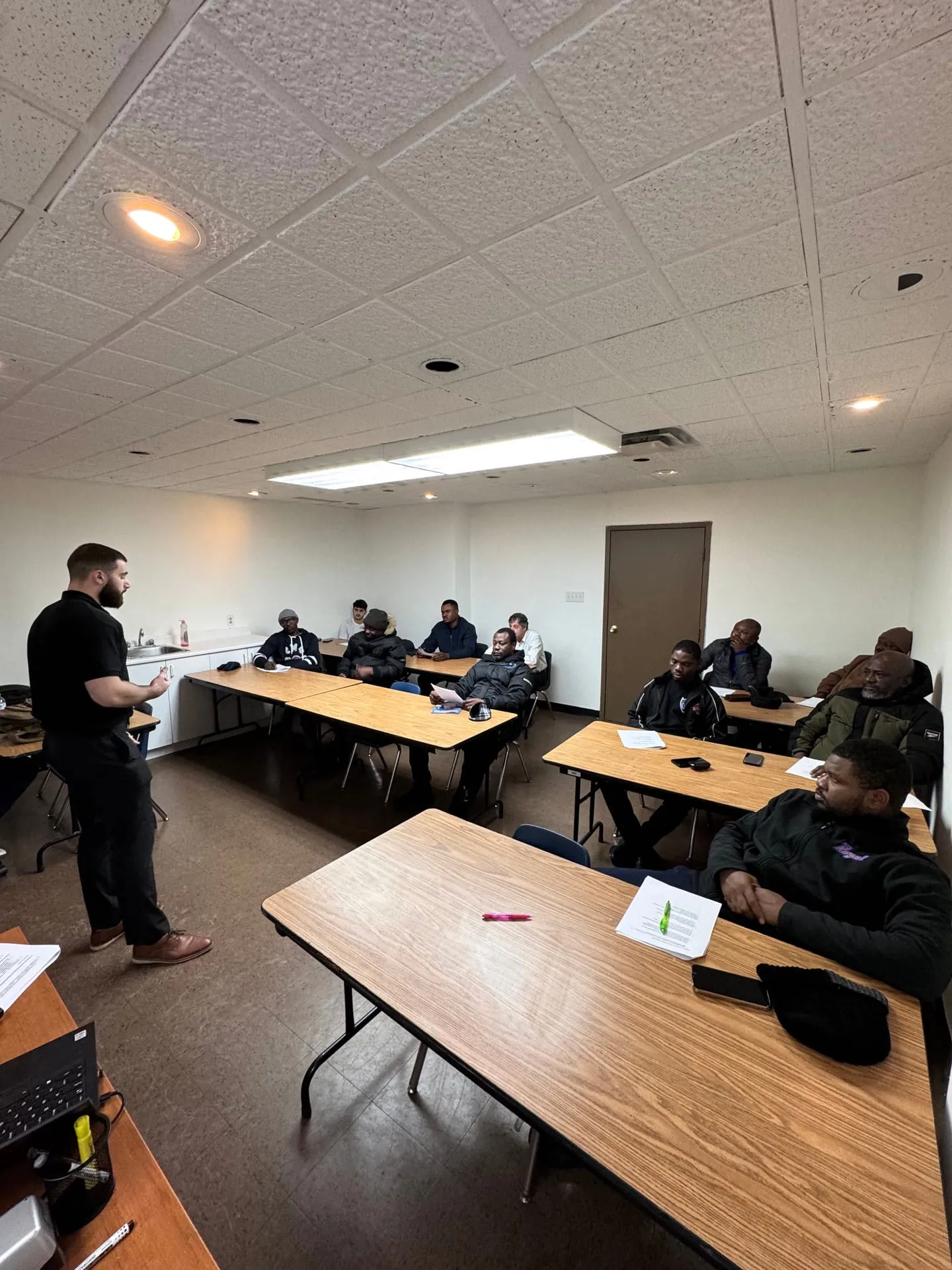
Quebec BSP minimum is 70 hours; Ontario Basic Security Training is 40 hours. Those are floors, not ceilings. Ask what the vendor adds: de-escalation, trauma-informed intervention, cold-weather patrol, courtroom-grade report writing, radio discipline, tenant / client communication. The answer should be specific, with named curriculum and renewal intervals.
8. Read their case studies
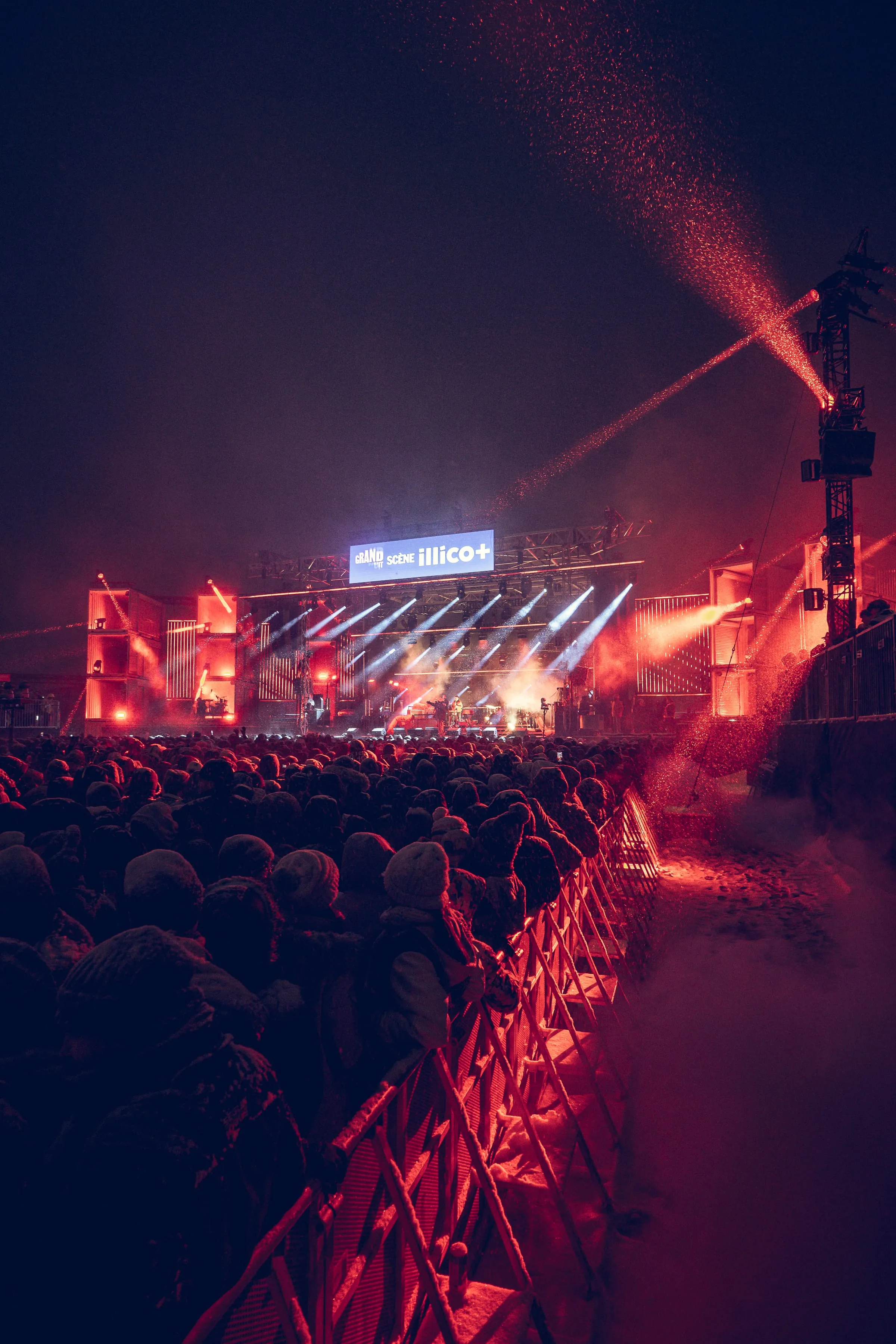
Any vendor can describe their approach in the abstract. Ask for two written case studies with problem, intervention and measured outcome. Our public playbooks cover a 25,000-attendee festival, a 3PL distribution centre cargo-theft reduction, a 40-storey fire watch, a national retail loss-prevention rollout, a 400-unit condo, and a 60-day film production base camp. Measured outcomes, not testimonials.
Where to start
If you want a short-circuit: start with [our licensing and insurance page](/compliance), pick the [industry](/industries/retail-security) that matches your operation, and read the [case study](/case-studies) closest to your use case. If the answers line up with what the vendor you are evaluating told you, you have a real operator. If not, keep looking.